Reducing Carbon foot-print
On a mission to remove 10%
of global carbon emissions.
On a mission to remove 10% of global carbon emissions.
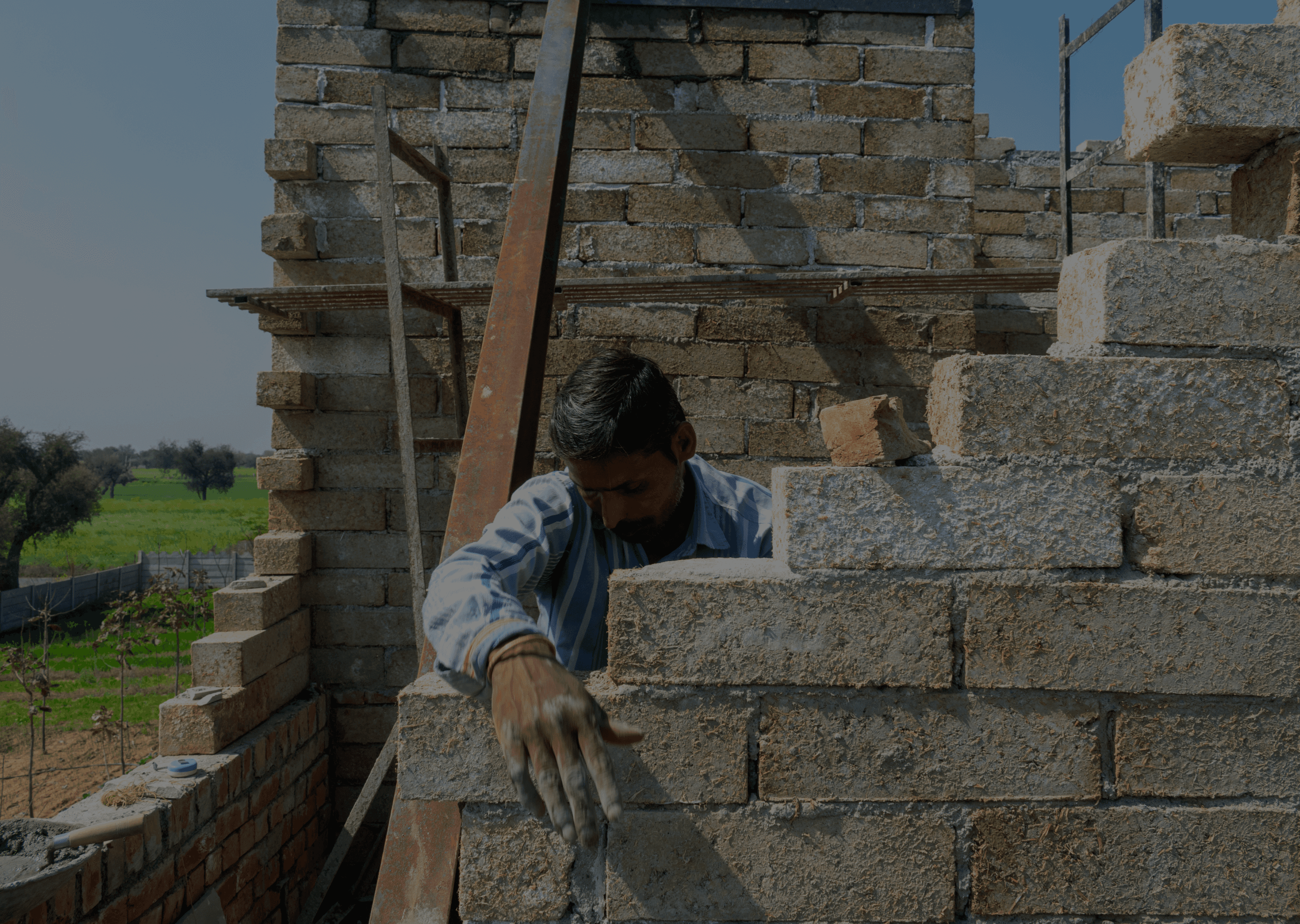
We are reimagining construction as a carbon sink. Our materials are engineered to outperform today’s standards while permanently removing carbon from the atmosphere. The result is a built environment that strengthens both our cities and our climate.
As Seen In














Our vision
Our Values - Designing for the Planet
We believe that the future of construction isn’t just sustainable, it’s regenerative. Our values shape every decision, partnership, and product we create, and the impact we deliver prove these principles in action.
Regenerative by Design
We design materials like Agrocrete® that do more than build, they restore. By upcycling crop residues, we lock away CO2 and turn waste into solutions that actively fight climate change, proving construction can give back to the Earth.
Impact First
We are transparent, responsible and driven by long-term impact, focusing on scalable solutions that prevent millions in health costs, capture gigatons of CO2 potential, and inspire global change.
Empowering Communities
From farmers saving their fields from burning to masons crafting energy-efficient structures, we see every person in our value chain as a partner. Together, we’re improving livelihoods, reducing health risks, and building a future where everyone thrives.
Scientific Integrity
Our innovations stand on a foundation of rigorous research, peer-reviewed studies, and third-party certifications. Every carbon-negative claim is verified, ensuring Agrocrete® delivers measurable, trustworthy impact for a greener world.
Empowering Communities
From farmers saving their fields from burning to masons crafting energy-efficient structures, we see every person in our value chain as a partner. Together, we’re improving livelihoods, reducing health risks, and building a future where everyone thrives.
Impact First
We are transparent, responsible and driven by long-term impact, focusing on scalable solutions that prevent millions in health costs, capture gigatons of CO2 potential, and inspire global change.
Recognized for Impact,
Backed by Science.
View Awards & Certifications
Recognized for Impact,
Backed by Science.


View Awards & Certifications
Greenjams Leadership
Greenjams Leadership
Our Team
Our Team
We are a passionate team of Engineers, Researchers and Sustainability Advocates driven by a shared goal: to reimagine construction for a climate positive future.
We are a passionate team of Engineers, Researchers and Sustainability Advocates driven by a shared goal: to reimagine construction for a climate positive future.

Tarun Jami
Founder, CEO

Er. JLN Murty
Managing Director

Tejaswini Thethi
Product Stewardship Lead

Jana Lakshman
Head of Business Development
Tarun Jami
Founder, Ceo
Er. JLN Murty
Managing Director
Tejaswini Thethi
Product Stewardship Lead
Jana Lakshman
Head of Business Development
Tarun Jami
Founder, CEO
Er. JLN Murty
Managing Director
Tejaswini Thethi
Product Stewardship Lead
Jana Lakshman
Head of Business Development
We’re hiring for 2 roles to build the future of green materials.
Our partners







Media & Press
Media & Press
GreenJams in the Spotlight
GreenJams in the Spotlight
Read what the world is saying about our mission, our products, and the communities we’re helping to transform.
Read what the world is saying about our mission, our products, and the communities we’re helping to transform.
2 min
FOR IMMEDIATE RELEASE
Sustainable Construction Materials: The Turning Point in Climate-Positive Building
Tags:
Sustainability
Featured
2 min
FOR IMMEDIATE RELEASE
Climate-Positive Infrastructure vs Net Zero Explained
Tags:
Sustainability
Featured
2 min
FOR IMMEDIATE RELEASE
The Circular Mandate: Circular Construction Future
Tags:
Sustainability
Featured
2 min
FOR IMMEDIATE RELEASE
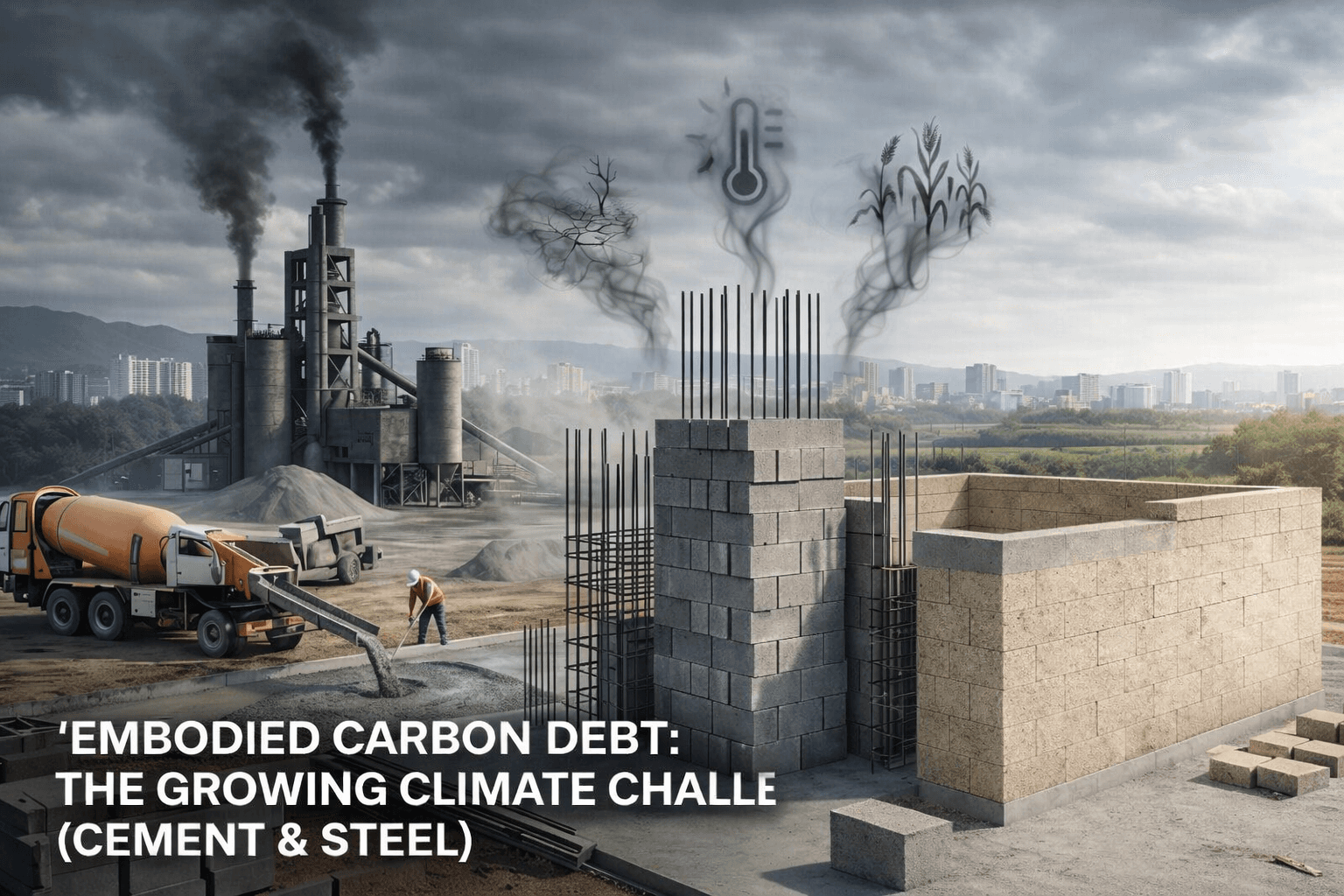
Embodied Carbon in Construction: The Climate Debt Explained
Tags:
Sustainability
Featured
2 min
FOR IMMEDIATE RELEASE
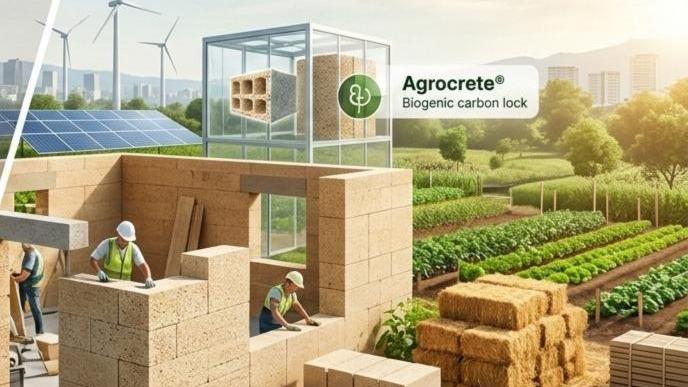
Climate-Positive Construction: The Carbon Counter-Attack
Tags:
Sustainability
Featured
2 min
FOR IMMEDIATE RELEASE
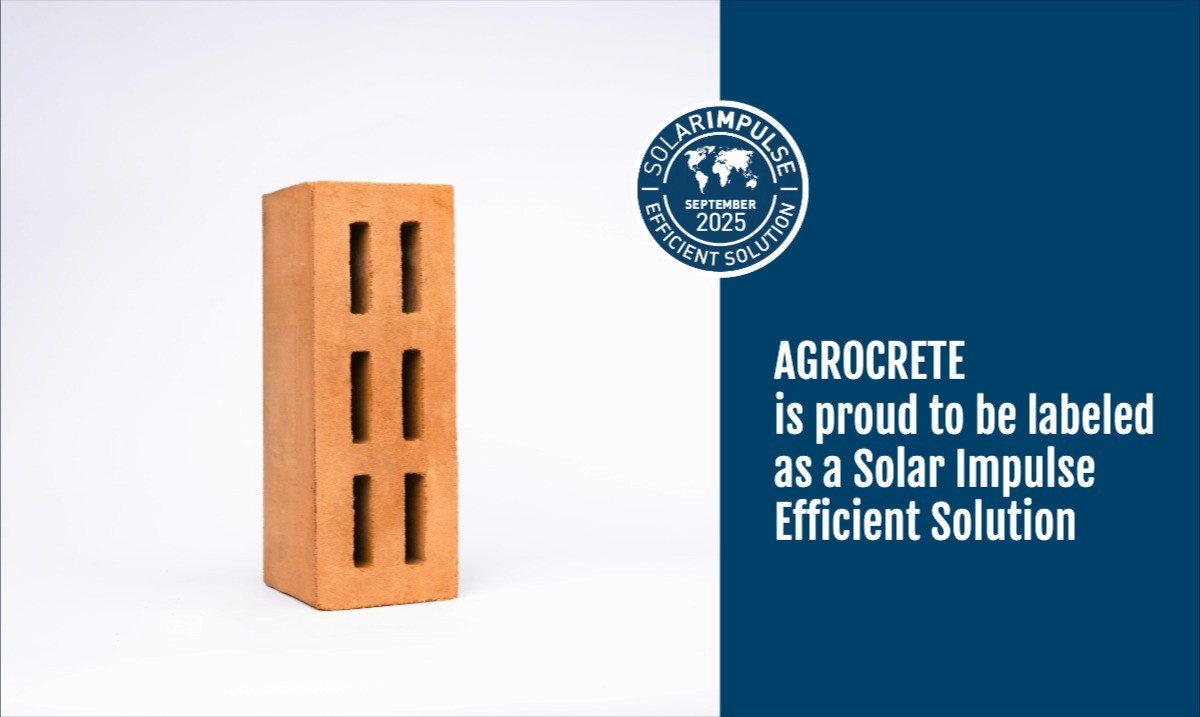
GreenJams’ Agrocrete® Becomes India’s Only Carbon-Negative Building Material to Earn the Prestigious Solar Impulse Efficient Solution Label
Tags:
Sustainability
Featured
4 min
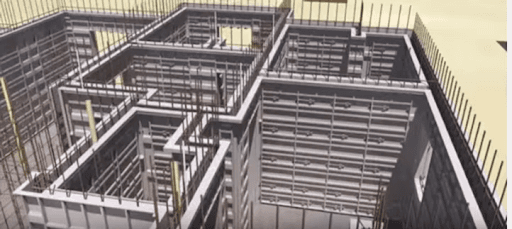
‘Mivan Shuttering’ has been a godsend for the construction industry. That’s because Mivan technology enables extremely rapid construction, improves durability and earthquake resistance, and reduces wall thickness and increases carpet area in high rise buildings.
The Mivan construction technology essentially comprises a highly durable aluminium formwork fabricated in the shape and layout of the building including the walls, columns, beams, and slabs. It is extremely modular and uses the same formwork for all the floors of the building. The steel reinforcement is fixed within the formwork and concrete is poured into it to make the different members of the building.
Heatwaves and Mivan Construction
Tags:
Sustainability
Featured
5 min
It was never an argument - climate change is real, and it demands urgent action. As per the IPCC 2018 Special Report on Global Warming of 1.5°C, it is estimated that by 2050, if the world isn’t fully carbon neutral, then global temperatures could increase by much more than 1.5C. However, as per Piers Froster, one of the lead authors of the landmark paper, there is still hope. He stated, “If the world can substantially reduce emissions in the 2020s and get to net zero carbon emissions by 2050, temperature rise can still be limited to 1.5C”.
This begs the question - how can we overturn climate change quickly and effectively? The surest way forward is geoengineering, which is essentially a way for human beings to manage the earth’s climate in deliberate ways. An effective, low cost way of geoengineering is to devise methods of Carbon Dioxide Removal, or CDR. Activities such as afforestation and reforestation are popular methods of CDR, however, given the time scale it takes to cause real impact, it isn’t a practical method despite its obvious benefits.
It is for this reason that more and more scientific and institutional efforts are directed towards creating ways of achieving CDR in a highly effective and relatively low-cost manner.
Agrocrete®: A weapon for the war against climate change
Tags:
Sustainability
Featured
Feb 25, 2026
2 min
Sustainable Construction Materials: The Turning Point in Climate-Positive Building
FOR IMMEDIATE RELEASE
Tags:
Press & Media
Feb 25, 2026
2 min
Climate-Positive Infrastructure vs Net Zero Explained
FOR IMMEDIATE RELEASE
Tags:
Press & Media
Feb 25, 2026
2 min
The Circular Mandate: Circular Construction Future
FOR IMMEDIATE RELEASE
Tags:
Press & Media
Feb 25, 2026
2 min
Embodied Carbon in Construction: The Climate Debt Explained
FOR IMMEDIATE RELEASE
Tags:
Press & Media
Feb 25, 2026
2 min
Climate-Positive Construction: The Carbon Counter-Attack
FOR IMMEDIATE RELEASE
Tags:
Press & Media
Jan 24, 2026
2 min
GreenJams’ Agrocrete® Becomes India’s Only Carbon-Negative Building Material to Earn the Prestigious Solar Impulse Efficient Solution Label
FOR IMMEDIATE RELEASE
Tags:
Press & Media
2 Min Read
FOR IMMEDIATE RELEASE
GreenJams Leading the Carbon-negative Construction Race.
Tags:
Carbon Capture
Press & Media
Technology
product
Sustainability
Featured
2 Min Read
FOR IMMEDIATE RELEASE
GreenJams Leading the Carbon-negative Construction Race.
Tags:
Carbon Capture
Press & Media
Technology
product
Sustainability
Featured
2 Min Read
FOR IMMEDIATE RELEASE
GreenJams Leading the Carbon-negative Construction Race.
Tags:
Carbon Capture
Press & Media
Technology
product
Sustainability
Featured
2 Min Read
FOR IMMEDIATE RELEASE
GreenJams Leading the Carbon-negative Construction Race.
Tags:
Carbon Capture
Press & Media
Technology
product
Sustainability
Featured
2 Min Read
FOR IMMEDIATE RELEASE
GreenJams Leading the Carbon-negative Construction Race.
Tags:
Carbon Capture
Press & Media
Technology
product
Sustainability
Featured
2 Min Read
FOR IMMEDIATE RELEASE
GreenJams Leading the Carbon-negative Construction Race.
Tags:
Carbon Capture
Press & Media
Technology
product
Sustainability
Featured
2 Min Read
‘Mivan Shuttering’ has been a godsend for the construction industry. That’s because Mivan technology enables extremely rapid construction, improves durability and earthquake resistance, and reduces wall thickness and increases carpet area in high rise buildings.
The Mivan construction technology essentially comprises a highly durable aluminium formwork fabricated in the shape and layout of the building including the walls, columns, beams, and slabs. It is extremely modular and uses the same formwork for all the floors of the building. The steel reinforcement is fixed within the formwork and concrete is poured into it to make the different members of the building.
GreenJams Leading the Carbon-negative Construction Race.
Tags:
Carbon Capture
Press & Media
Technology
product
Sustainability
Featured
2 Min Read
It was never an argument - climate change is real, and it demands urgent action. As per the IPCC 2018 Special Report on Global Warming of 1.5°C, it is estimated that by 2050, if the world isn’t fully carbon neutral, then global temperatures could increase by much more than 1.5C. However, as per Piers Froster, one of the lead authors of the landmark paper, there is still hope. He stated, “If the world can substantially reduce emissions in the 2020s and get to net zero carbon emissions by 2050, temperature rise can still be limited to 1.5C”.
This begs the question - how can we overturn climate change quickly and effectively? The surest way forward is geoengineering, which is essentially a way for human beings to manage the earth’s climate in deliberate ways. An effective, low cost way of geoengineering is to devise methods of Carbon Dioxide Removal, or CDR. Activities such as afforestation and reforestation are popular methods of CDR, however, given the time scale it takes to cause real impact, it isn’t a practical method despite its obvious benefits.
It is for this reason that more and more scientific and institutional efforts are directed towards creating ways of achieving CDR in a highly effective and relatively low-cost manner.
GreenJams Leading the Carbon-negative Construction Race.
Tags:
Carbon Capture
Press & Media
Technology
product
Sustainability
Featured
As Seen In
Turning Buildings into Carbon Sinks.
Whether you're building a home, a highway, or a housing board, Agrocrete® empowers you to build better for the planet — and your bottom line.


Downloads
Spec Sheet
 Agrocrete® Blocks
Certificates
Comparisons
Contact Us
Turning Buildings into Carbon Sinks.
Whether you're building a home, a highway, or a housing board, Agrocrete® empowers you to build better for the planet — and your bottom line.


Downloads
Spec Sheet
Certificates
Comparisons
Contact Us
Turning Buildings into Carbon Sinks.
Whether you're building a home, a highway, or a housing board, Agrocrete® empowers you to build better for the planet — and your bottom line.
Downloads
Spec Sheet
Certificates