





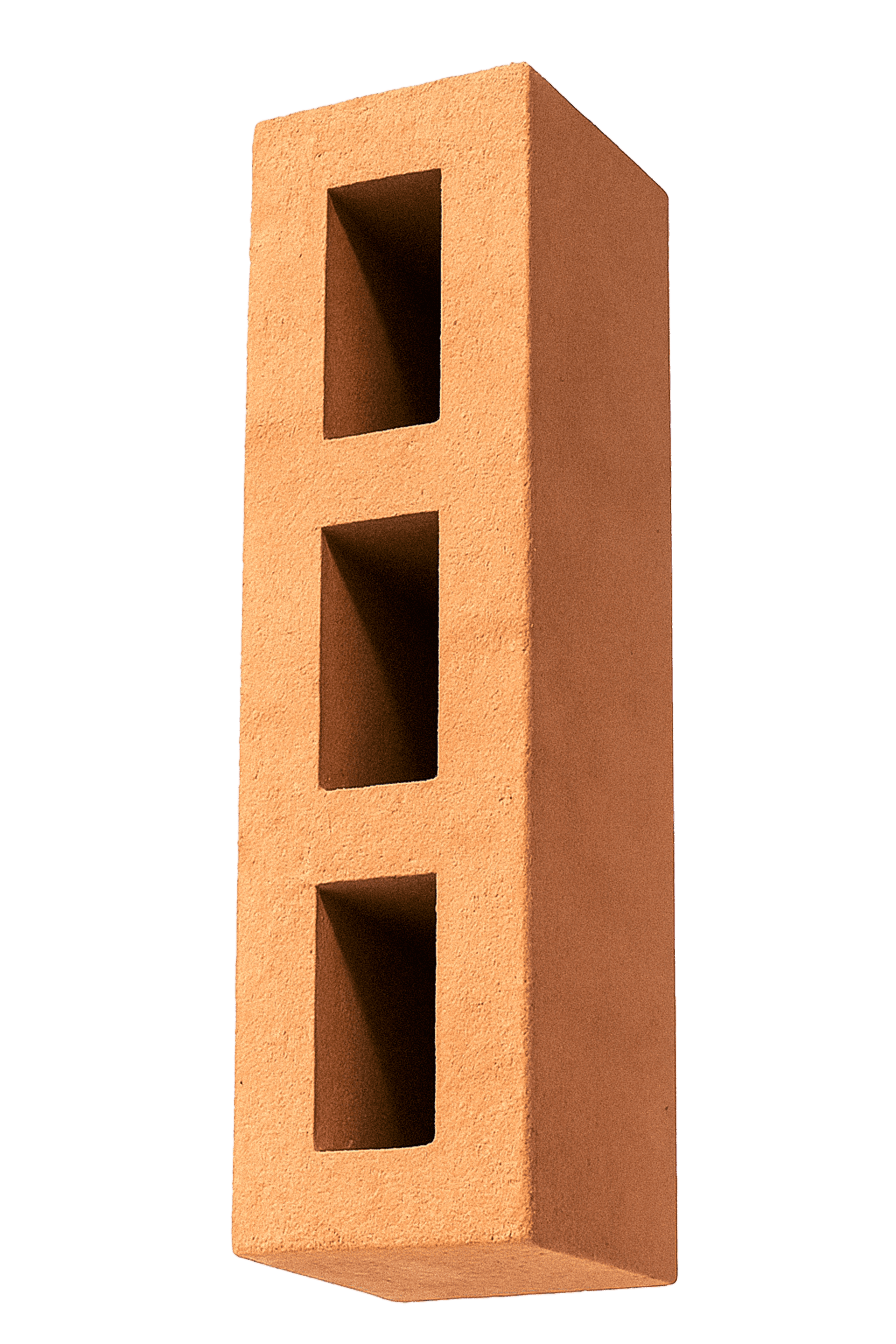
CEMENT-FREE BRICKS, BLOCKS, PAVERS & MORTAR
CEMENT-FREE BRICKS, BLOCKS, PAVERS & MORTAR
Give Up the Carbon.
Give Up Nothing Else.
Same strength. Same price. Same workflows. Faster schedule. Independently verified carbon-negative masonry and zero-cement concrete — powered by BINDR™.
Same strength. Same price. Same workflows. Faster schedule. Independently verified carbon-negative masonry and zero-cement concrete — powered by BINDR™.


Trusted By 50+ clients
Trusted By 50+ clients















ZERO CEMENT. THREE PRODUCT FAMILIES.
ZERO CEMENT. THREE PRODUCT FAMILIES.
Everything we build is powered by BINDR™
Everything we build is powered by BINDR™
From carbon-negative masonry to zero-cement concrete to a direct OPC replacement — BINDR™ is the platform behind every product we make.
From carbon-negative masonry to zero-cement concrete to a direct OPC replacement — BINDR™ is the platform behind every product we make.
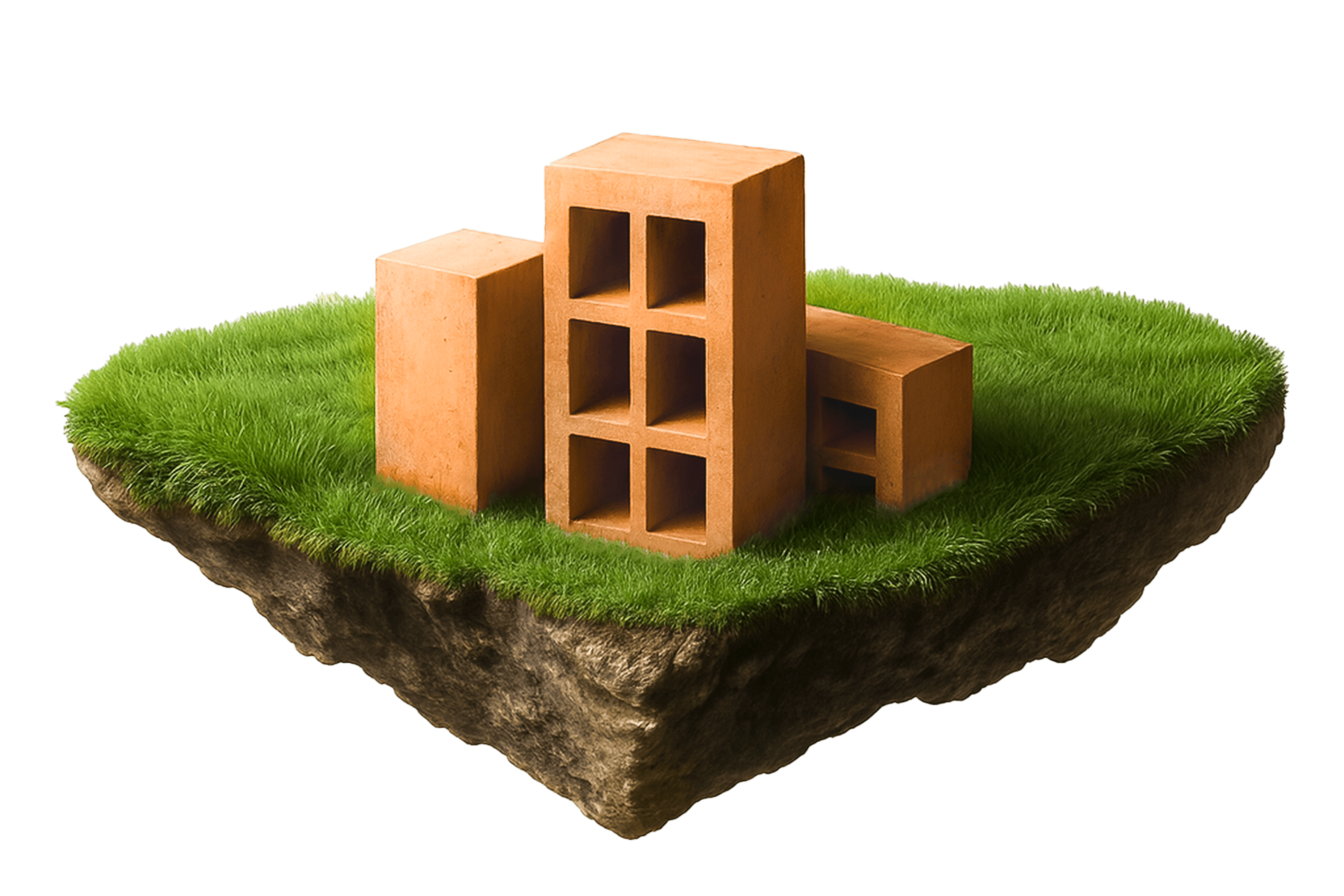
Agrocrete®
–0.14 kgCO₂/kg
The world's first EPD-certified carbon-negative building block. Made from paddy straw, fly ash, and BINDR™

Novastone™
0.03 kgCO₂/kg
High-strength, cost-competitive blocks, bricks, and pavers for every concrete application.
BINDR™
0.18 kgCO₂/kg
An alkali-activated drop-in replacement for OPC — for mortar, plaster, and block manufacturing.
CLEANER. GREENER. SUSTAINABLE.
CLEANER. GREENER. SUSTAINABLE.
The Better Alternative to Cement
The Better Alternative to Cement
Blocks, bricks, mortar, pavers, and more — all powered by BINDR™, all cement-free.
Blocks, bricks, mortar, pavers, and more — all powered by BINDR™, all cement-free.


Exposed
Agrocrete® Hollow Blocks
Bio-concrete blocks with superior thermal insulation.
Learn more


Exposed
Agrocrete® Solid Blocks
Engineered for strength, thermal comfort, and carbon-negative performance. The Agrocrete® Solid Block is a next-generation building solution for walls that last and protect the planet.
Learn more

Exposed
Agrocrete® Solid Bricks
The high-strength variant of the Agrocrete® system — for load-bearing masonry, without compromising thermal or carbon performance.
Learn more

BINDR™ Ready Mix Mortar
Same strength as OPC, 80% less carbon, ~90% recycled content. Drop it into an existing plant in place of cement — no change to mix ratios, and 53 MPa by day 7 instead of day 28.
Learn more

Exposed
Standard
Novastone™ Concrete Bricks & Blocks
Cement-free precast masonry, engineered with BINDR™ for consistent strength at OPC cost parity.
Learn more
Grey
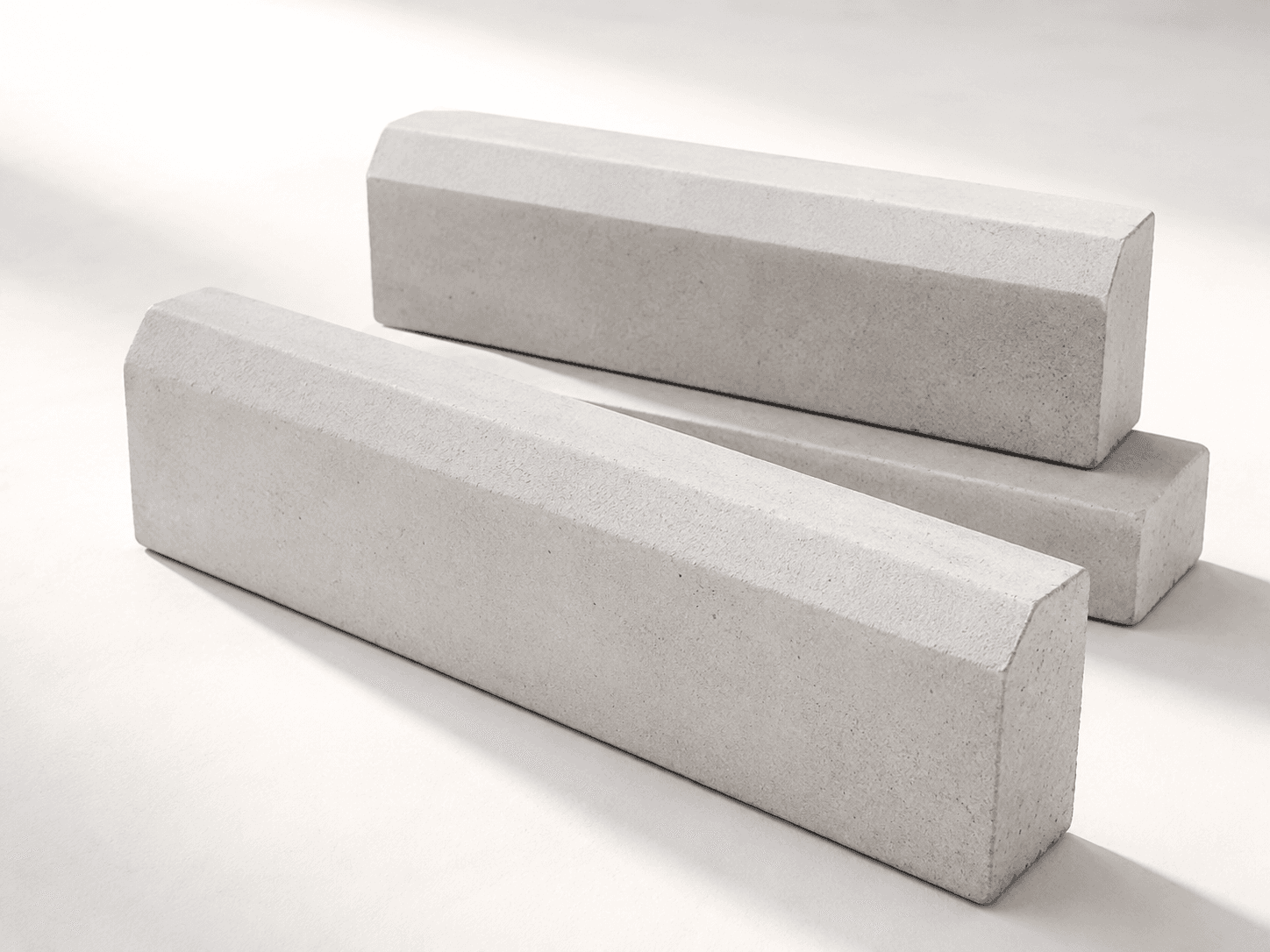
Novastone™ Kerbs
Cement-free precast kerbs powered by BINDR™ — engineered for road and landscape edging at OPC cost parity.
Learn more

Exposed
Novastone™ Mati Bricks
The compressed stabilised earth block (CSEB) format, reimagined cement-free — powered by BINDR™.
Learn more

Exposed
Standard
Novastone™ Mati Hollow Blocks
Cement-free, BINDR™-powered performance in the familiar hollow block format — size-matched to Agrocrete® Hollow Blocks for spec compatibility.
Learn more

Grey
Pigmented Red
Novastone™ Pavers
High-strength, cement-free paving powered by BINDR™ — engineered for vehicular and pedestrian load at OPC cost parity.
Learn more
Imapct Calculator
Imapct Calculator
See the difference BINDR™-powered products can make on your project.
See the difference Agrocrete® can make on your Project’s Footprint.
See the difference BINDR™-powered
products can make on your project.
Estimates based on replacing OPC with BINDR™ across your project's built-up area.
See the difference Agrocrete® can make on your Project’s Footprint.
1000 sq.ft
1500 sq.ft
3000 sq.ft
6000 sq.ft
9000 sq.ft
12,000 sq.ft
20,000 sq.ft
36,000 sq.ft
50,000 sq.ft
CO₂ captured.

4.4 tons
In 1000 sq.ft compared to traditional clay bricks.
Time saved per project.

20 days
In 1000 sq.ft compared to traditional clay bricks.
Water saved.

18,500 L
In 1000 sq.ft compared to traditional clay bricks.
Select the area (in sq.ft)
1000
1500
3000
6000
9000
12,000
20,000
36,000
50,000
CO₂ saved.
4.4 tons
In 1000 sq.ft compared to traditional clay bricks.
Time saved per Project.
20 days
In 1000 sq.ft compared to traditional clay bricks
Water saved.
18,500 L
In 1000 sq.ft compared to traditional clay bricks.

80% Lower Embodied Carbon
80% Lower Embodied Carbon
80% Lower Embodied Carbon

Minimal Water Curing Required
Minimal Water Curing Required
100% Faster Masonry

Zero OPC in Every Product
Zero OPC in Every Product
Zero OPC in Every Product
Select the area (in sq.ft)
1000
1500
3000
6000
9000
12,000
20,000
36,000
50,000
CO₂ saved.
4.4 tons
In 1000 sq.ft compared to traditional clay bricks.
Time saved per Project.
20 days
In 1000 sq.ft compared to traditional clay bricks
Water saved.
18,500 L
In 1000 sq.ft compared to traditional clay bricks.
THREE WAYS TO WORK WITH US
How It Works
Whether you need a plant on your site, blocks from our network, or your own waste turned into certified material — we have a model that fits.


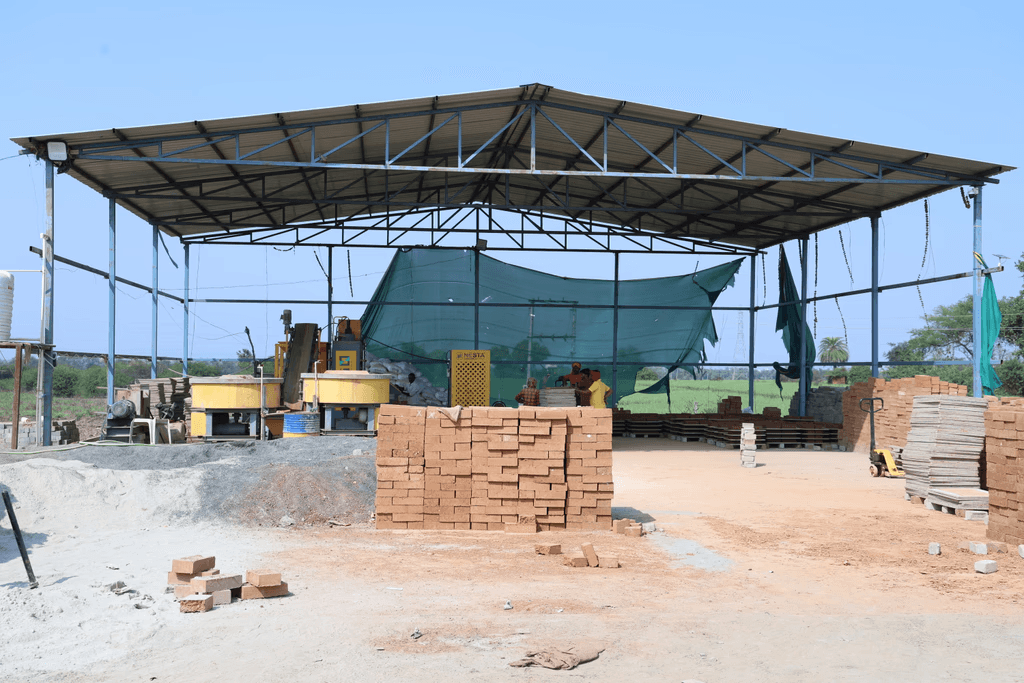
On-Site Manufacturing Unit
A block plant inside your project. For large projects and townships, we set up and operate a dedicated unit producing Novastone or Agrocrete® right where you build.

Hyperlocal Toll Manufacturing
Our 15-node manufacturing network across Bangalore produces your order within ~30 km of your site. Every batch QC-tested, every order shipped with carbon reporting and IS-code referenced data.

Circular Manufacturing
We obtain C&D waste and reclaimed excavated soil from your active sites, process them, and manufacture finished Novastone products — delivered with EPR certificates and recycled-content documentation.

Need help with installation?
We provide trained mason deployment for exposed-grade masonry and turnkey EPC for low-rise structures.
1095 Tons CO₂
Removed and prevented across all projects (2022–2025).
₹13.5 Cr Money
Saved across all projects compared to conventional bricks.
3,213 MWh
Embodied energy avoided via low-energy manufacturing.
1 Cr+ Litres
Water saved through zero-curing construction.
Built with Trust.
Backed by Proof.
From high-rise walls to small-scale projects, Agrocrete® comes in versatile forms for every construction need.
Built with Trust. Backed by Proof.
Built with Trust. Backed by Proof.
Every claim is independently verified — EPD-certified carbon data, CBRI test reports, and IS-code compliance across the product range.

1095 Tons CO₂
1095 Tons CO₂
Carbon removed and emissions avoided across Agrocrete® projects.
Carbon removed and emissions avoided across Agrocrete® projects.

₹13.5 Cr Money
₹13.5 Cr Money
Financial value created through low-carbon material adoption.
Saved across all projects compared to conventional brickwork.
3,213 MWh
3,213 MWh
Embodied energy avoided via low-energy material manufacturing.
Embodied energy avoided via low-energy material manufacturing.

1 Cr+ Litres
1 Cr+ Litres
Water saved through zero-curing and efficient construction methods.
Water saved through zero-curing and efficient construction methods.
Here’s What People Say
Insights, stories, and ideas at the intersection of construction, climate, and community.


2.1 tons
of CO2 captured
Individual Residence, Gudivada, Andhra Pradesh
Mr. Rishi Cherukuri, a Visakhapatnam-based sustainability champion, built his 2,000 sq ft family home in Gudivada with 1,100 Agrocrete® blocks. He chose them for their climate impact. The house was completed in July 2024, and the family now lives in it without air conditioning, describing it as peaceful and tranquil. The walls of the home store 2.1 tons of CO₂, and the build used a regular construction team throughout.

38.5 tons
of CO2 captured
Industrial Perimeter Wall, Kapurthala, Punjab
ITC Ltd, GreenJams' first industrial customer, needed a secure boundary around newly acquired land in Kapurthala, Punjab. In April 2022 it started a pilot with Agrocrete®. By December 2022, contractor Tricon had built a 1.8 km perimeter wall from 28,000 blocks, about 350 m³ of blockwork. Tricon reported the wall went up 2.5x faster than with the materials it normally uses. The finished wall stores 38.5 tons of CO₂ and came through its first monsoon without damage.

4 tons
of CO2 captured
Mixed-Use Building, Vizianagaram, Andhra Pradesh
This five-storey mixed-use building in Vizianagaram spans more than 10,000 sq ft of shops, offices and homes. Its ground and first floors are built with more than 3,000 Agrocrete® Hollow Blocks. One of the tenants on those floors is an IT company running 20-hour shifts in a 2,500 sq ft office. It has seen electricity bills 60% lower, thanks to the thermal insulation of the walls. The blockwork stores about 4 tons of CO₂.

3 tons
of CO2 captured
Individual Residence, Rajahmundry, Andhra Pradesh
Mr. Raveendra Kumar, a retired Deputy Chief Engineer of Indian Railways, built his 1,800 sq ft home in Rajahmundry with about 2,000 Agrocrete® blocks. He compared the options before choosing. The result: the entire blockwork was finished in 15 days, the walls used more than 50% less cement and sand, and the home stores about 3 tons of CO₂. His house has since persuaded a second family in the city to build with Agrocrete®.

3.1 tons
of CO2 captured
Industrial Workshop, Roorkee, Uttarakhand
Before we asked anyone else to build with Agrocrete®, we built with it ourselves. In February 2021, GreenJams completed a 1,100 sq ft load-bearing workshop in Roorkee, Uttarakhand, using Agrocrete® Solid Blocks and no steel. The walls went up in 4 days. More than five years later, the building has been through 2 earthquakes and 3 cyclones, is still in daily use, and stores 3.1 tons of CO₂ in its walls.

2.1 tons
of CO2 captured
Services Building, Chennai, Tamil Nadu
Our first sale outside North India was to CBRE, for a services building at a site it manages in Chennai. In 2021 our only production was in Roorkee, 2,400 km away. We shipped 1,100 Agrocrete® blocks across the country and none were lost on the way. The building was completed in October 2021. Even after counting shipping emissions, it remains carbon-negative, storing 2.1 tons of CO₂ in its walls.
73 tons
of CO2 captured
Industrial Perimeter Wall, Sandila, Uttar Pradesh
A pilot shows a material works. A repeat order shows it is worth buying again. Within months of finishing its 1.8 km Kapurthala wall, ITC Ltd came back to GreenJams for a 2.6 km perimeter wall at its site in Sandila, Uttar Pradesh. The project used 44,200 Agrocrete® blocks, ran from December 2022 to July 2023, and stores 73 tons of CO₂ in its walls.

5.6 tons
of CO2 captured
Office Headquarters Wall, Jaipur, Rajasthan
Design2Occupancy's headquarters in Jaipur, also known as the D2O Sustainable Development Centre, was built to show what a net-zero building in Rajasthan can look like. To cut the carbon in its materials as well as its operations, one of its walls was built with 3,300 Agrocrete® blocks. That wall stores 5.6 tons of CO₂ and avoided 16.6 tons of emissions compared with conventional masonry.

0.47 tons
of CO2 captured
Park Ticket Counter, Visakhapatnam, Andhra Pradesh
The Visakhapatnam Metropolitan Region Development Authority (VMRDA) chose Agrocrete® for the ticket counter at Central Park, one of the city's public green spaces. The compact 43 sq ft counter was completed in 2025, with the blocks left exposed so every visitor can see what it is made of. It stores about 0.47 tons of CO₂ and avoided about 1.2 tons of emissions compared with conventional construction.

0.3 tons (est.)
of CO2 captured
Retail Store Interior, New Delhi, Delhi
Khanijo, a slow-fashion label, wanted its New Delhi store to say what its clothes say: natural, handmade and made to last. Instead of cement plaster, the key interior walls of the 800 sq ft store are finished in Agrocrete® plaster, made with our cement-free binder BINDR™. The plaster breathes, resists cracks, and stores an estimated 0.3 tons of CO₂ in the walls.
Notes from the Journey
Insights, stories, and ideas at the intersection of construction, climate, and community.

What Is Carbon-Negative Construction? How Can a Building Store More Carbon Than It Emits?
Carbon-negative construction sounds like a contradiction. Making cement, steel and fired bricks releases large amounts of carbon dioxide, and the World Green Building Council estimates that buildings account for 39% of global energy-related carbon emissions: 28% from running them and 11% from materials and construction. So how can anything we build store more carbon than it emits?
The short answer is that some building materials are made from plants that pulled CO₂ out of the air as they grew, and that carbon can stay locked inside a wall for decades. The longer answer depends on accounting: which life-cycle stages are counted, how stored carbon is treated, and whether a claim is about one kilogram of material or a whole building. This guide explains all three in plain English, using Agrocrete® as a worked example, so you can read any carbon-negative claim with confidence.

Sustainable Building Materials in India: 10 Alternatives to Conventional Construction
India is building faster than almost any country on earth, and the materials chosen today will lock in emissions for decades. Picking sustainable building materials in India is no longer a niche concern for certified green projects. It is a practical question for every builder balancing cost, availability, performance and carbon. The scale is striking: India produces over 250 billion clay bricks a year, and researchers at the MIT Tata Center link fired-brick production to around a third of the country's coal consumption and to significant topsoil loss.
The good news is that builders now have real choices. This practical guide walks through 10 eco-friendly construction materials, from fly ash bricks and earth blocks to recycled aggregates and alternative binders. For each one you will see where it fits, what to watch out for, and why the right answer always depends on the application and on test data, not labels. If you want the bigger historical picture first, read our earlier piece, From Stone to Carbon-Negative: A History of Building Materials.

How to Keep Your House Cool in Indian Summers Without Relying Only on AC
Indian summers are getting longer and harsher, and many homes hold on to the heat long after sunset. A concrete roof bakes all afternoon, the walls soak up the sun, and by night the bedroom feels warmer than the street. The usual response is to buy another air conditioner. But if you want to keep house cool in summer, India's best-performing homes point to a better order of work: stop heat getting in first, then cool whatever is left.
This guide explains how roof and wall insulation, shading, ventilation and orientation each change indoor temperatures, and how these passive design measures differ from active cooling systems such as fans, coolers and ACs. You will find answers to common homeowner questions, a practical checklist, and clear guidance on what to do whether you are retrofitting a flat or building a new home.

Stubble Burning in India: Can Crop Waste Become a Building Material?
Every October and November, smoke from burning paddy fields in Punjab and Haryana drifts across North India. Farmers have weeks, sometimes days, to clear rice straw before sowing wheat, and a matchstick is still the cheapest tool they have. The search for a stubble burning solution India can scale has focused on machines, subsidies and penalties. Those measures are working, but they treat straw as a waste to get rid of rather than a raw material worth paying for.
This article looks at a different question: can crop residue become a building material? We explain why stubble is burnt, what agricultural waste building materials already exist, how paddy straw construction products are made, and the practical hurdles of collection, processing and performance that decide whether the idea works at scale.

How Cement Contributes to Global Warming: The Construction Industry's Carbon Challenge
Cement is the glue of modern India. It holds together our homes, highways, metro lines and factories. It also carries a heavy climate cost. Cement carbon emissions account for around 8% of annual global CO₂ emissions, according to Chatham House. That makes cement one of the largest single sources of industrial carbon on the planet.
For builders, this is no longer an abstract issue. Clients, lenders and regulators increasingly ask what a building's materials emit before it is ever occupied. This guide explains where cement carbon emissions come from, why clinker is the core of the problem, what the numbers look like for India, and which practical routes, from using less cement to switching binders, can cut the carbon in your next project.

What Is Embodied Carbon in Buildings? A Practical Guide for India
Every building in India carries two carbon bills. One arrives slowly, as electricity for fans, lights and air-conditioning over 50 years or more. The other is paid in full before anyone moves in: the emissions from making, moving and assembling the cement, steel, bricks and glass. That second bill is embodied carbon in buildings, and it is the part most projects never measure.
This guide is for architects and specifiers who want a working understanding, not a lecture. It explains embodied versus operational carbon using materials you specify every week, shows why upfront emissions behave like a climate debt, and sets out how material selection can lower a building's upfront emissions without redesigning the whole project.
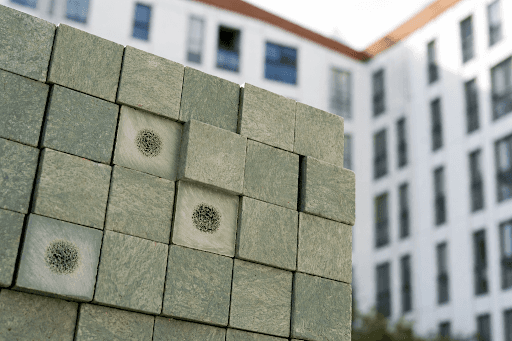
Stone to Carbon-Negative: A History of Building Materials
Every era of civilisation is written in its buildings. Stone defined permanence. Timber defined craft. Concrete defined modernity. Each material revolution expanded what humanity could build, and quietly reshaped our relationship with the planet. This short history of building materials traces that journey, from earth and lime to the sustainable construction materials now emerging in India.

Climate-Positive vs Net Zero: What’s the Difference?
Net zero, carbon neutral and climate-positive are often used as if they mean the same thing. They do not. Net zero is about balance, carbon neutral is usually about compensation, and climate-positive is about removing more carbon than you emit. For anyone specifying materials or setting a climate target for a building, the difference decides what you actually have to do.
This guide explains climate-positive vs net zero in plain terms, compares all three side by side, and shows how carbon-negative materials already make climate-positive buildings possible in India.
Here’s What People Say
Insights, stories, and ideas at the intersection of construction, climate, and community.

2.1 tons
of CO2 captured
Individual Residence, Gudivada, Andhra Pradesh
Mr. Rishi Cherukuri, a Visakhapatnam-based sustainability champion, built his 2,000 sq ft family home in Gudivada with 1,100 Agrocrete® blocks. He chose them for their climate impact. The house was completed in July 2024, and the family now lives in it without air conditioning, describing it as peaceful and tranquil. The walls of the home store 2.1 tons of CO₂, and the build used a regular construction team throughout.
38.5 tons
of CO2 captured
Industrial Perimeter Wall, Kapurthala, Punjab
ITC Ltd, GreenJams' first industrial customer, needed a secure boundary around newly acquired land in Kapurthala, Punjab. In April 2022 it started a pilot with Agrocrete®. By December 2022, contractor Tricon had built a 1.8 km perimeter wall from 28,000 blocks, about 350 m³ of blockwork. Tricon reported the wall went up 2.5x faster than with the materials it normally uses. The finished wall stores 38.5 tons of CO₂ and came through its first monsoon without damage.
4 tons
of CO2 captured
Mixed-Use Building, Vizianagaram, Andhra Pradesh
This five-storey mixed-use building in Vizianagaram spans more than 10,000 sq ft of shops, offices and homes. Its ground and first floors are built with more than 3,000 Agrocrete® Hollow Blocks. One of the tenants on those floors is an IT company running 20-hour shifts in a 2,500 sq ft office. It has seen electricity bills 60% lower, thanks to the thermal insulation of the walls. The blockwork stores about 4 tons of CO₂.
3 tons
of CO2 captured
Individual Residence, Rajahmundry, Andhra Pradesh
Mr. Raveendra Kumar, a retired Deputy Chief Engineer of Indian Railways, built his 1,800 sq ft home in Rajahmundry with about 2,000 Agrocrete® blocks. He compared the options before choosing. The result: the entire blockwork was finished in 15 days, the walls used more than 50% less cement and sand, and the home stores about 3 tons of CO₂. His house has since persuaded a second family in the city to build with Agrocrete®.
3.1 tons
of CO2 captured
Industrial Workshop, Roorkee, Uttarakhand
Before we asked anyone else to build with Agrocrete®, we built with it ourselves. In February 2021, GreenJams completed a 1,100 sq ft load-bearing workshop in Roorkee, Uttarakhand, using Agrocrete® Solid Blocks and no steel. The walls went up in 4 days. More than five years later, the building has been through 2 earthquakes and 3 cyclones, is still in daily use, and stores 3.1 tons of CO₂ in its walls.
2.1 tons
of CO2 captured
Services Building, Chennai, Tamil Nadu
Our first sale outside North India was to CBRE, for a services building at a site it manages in Chennai. In 2021 our only production was in Roorkee, 2,400 km away. We shipped 1,100 Agrocrete® blocks across the country and none were lost on the way. The building was completed in October 2021. Even after counting shipping emissions, it remains carbon-negative, storing 2.1 tons of CO₂ in its walls.
73 tons
of CO2 captured
Industrial Perimeter Wall, Sandila, Uttar Pradesh
A pilot shows a material works. A repeat order shows it is worth buying again. Within months of finishing its 1.8 km Kapurthala wall, ITC Ltd came back to GreenJams for a 2.6 km perimeter wall at its site in Sandila, Uttar Pradesh. The project used 44,200 Agrocrete® blocks, ran from December 2022 to July 2023, and stores 73 tons of CO₂ in its walls.
5.6 tons
of CO2 captured
Office Headquarters Wall, Jaipur, Rajasthan
Design2Occupancy's headquarters in Jaipur, also known as the D2O Sustainable Development Centre, was built to show what a net-zero building in Rajasthan can look like. To cut the carbon in its materials as well as its operations, one of its walls was built with 3,300 Agrocrete® blocks. That wall stores 5.6 tons of CO₂ and avoided 16.6 tons of emissions compared with conventional masonry.
0.47 tons
of CO2 captured
Park Ticket Counter, Visakhapatnam, Andhra Pradesh
The Visakhapatnam Metropolitan Region Development Authority (VMRDA) chose Agrocrete® for the ticket counter at Central Park, one of the city's public green spaces. The compact 43 sq ft counter was completed in 2025, with the blocks left exposed so every visitor can see what it is made of. It stores about 0.47 tons of CO₂ and avoided about 1.2 tons of emissions compared with conventional construction.
0.3 tons (est.)
of CO2 captured
Retail Store Interior, New Delhi, Delhi
Khanijo, a slow-fashion label, wanted its New Delhi store to say what its clothes say: natural, handmade and made to last. Instead of cement plaster, the key interior walls of the 800 sq ft store are finished in Agrocrete® plaster, made with our cement-free binder BINDR™. The plaster breathes, resists cracks, and stores an estimated 0.3 tons of CO₂ in the walls.
Notes from the Journey
Insights, stories, and ideas at the intersection of construction, climate, and community.
What Is Carbon-Negative Construction? How Can a Building Store More Carbon Than It Emits?
Carbon-negative construction sounds like a contradiction. Making cement, steel and fired bricks releases large amounts of carbon dioxide, and the World Green Building Council estimates that buildings account for 39% of global energy-related carbon emissions: 28% from running them and 11% from materials and construction. So how can anything we build store more carbon than it emits?
The short answer is that some building materials are made from plants that pulled CO₂ out of the air as they grew, and that carbon can stay locked inside a wall for decades. The longer answer depends on accounting: which life-cycle stages are counted, how stored carbon is treated, and whether a claim is about one kilogram of material or a whole building. This guide explains all three in plain English, using Agrocrete® as a worked example, so you can read any carbon-negative claim with confidence.
Sustainable Building Materials in India: 10 Alternatives to Conventional Construction
India is building faster than almost any country on earth, and the materials chosen today will lock in emissions for decades. Picking sustainable building materials in India is no longer a niche concern for certified green projects. It is a practical question for every builder balancing cost, availability, performance and carbon. The scale is striking: India produces over 250 billion clay bricks a year, and researchers at the MIT Tata Center link fired-brick production to around a third of the country's coal consumption and to significant topsoil loss.
The good news is that builders now have real choices. This practical guide walks through 10 eco-friendly construction materials, from fly ash bricks and earth blocks to recycled aggregates and alternative binders. For each one you will see where it fits, what to watch out for, and why the right answer always depends on the application and on test data, not labels. If you want the bigger historical picture first, read our earlier piece, From Stone to Carbon-Negative: A History of Building Materials.
How to Keep Your House Cool in Indian Summers Without Relying Only on AC
Indian summers are getting longer and harsher, and many homes hold on to the heat long after sunset. A concrete roof bakes all afternoon, the walls soak up the sun, and by night the bedroom feels warmer than the street. The usual response is to buy another air conditioner. But if you want to keep house cool in summer, India's best-performing homes point to a better order of work: stop heat getting in first, then cool whatever is left.
This guide explains how roof and wall insulation, shading, ventilation and orientation each change indoor temperatures, and how these passive design measures differ from active cooling systems such as fans, coolers and ACs. You will find answers to common homeowner questions, a practical checklist, and clear guidance on what to do whether you are retrofitting a flat or building a new home.
Stubble Burning in India: Can Crop Waste Become a Building Material?
Every October and November, smoke from burning paddy fields in Punjab and Haryana drifts across North India. Farmers have weeks, sometimes days, to clear rice straw before sowing wheat, and a matchstick is still the cheapest tool they have. The search for a stubble burning solution India can scale has focused on machines, subsidies and penalties. Those measures are working, but they treat straw as a waste to get rid of rather than a raw material worth paying for.
This article looks at a different question: can crop residue become a building material? We explain why stubble is burnt, what agricultural waste building materials already exist, how paddy straw construction products are made, and the practical hurdles of collection, processing and performance that decide whether the idea works at scale.
How Cement Contributes to Global Warming: The Construction Industry's Carbon Challenge
Cement is the glue of modern India. It holds together our homes, highways, metro lines and factories. It also carries a heavy climate cost. Cement carbon emissions account for around 8% of annual global CO₂ emissions, according to Chatham House. That makes cement one of the largest single sources of industrial carbon on the planet.
For builders, this is no longer an abstract issue. Clients, lenders and regulators increasingly ask what a building's materials emit before it is ever occupied. This guide explains where cement carbon emissions come from, why clinker is the core of the problem, what the numbers look like for India, and which practical routes, from using less cement to switching binders, can cut the carbon in your next project.
What Is Embodied Carbon in Buildings? A Practical Guide for India
Every building in India carries two carbon bills. One arrives slowly, as electricity for fans, lights and air-conditioning over 50 years or more. The other is paid in full before anyone moves in: the emissions from making, moving and assembling the cement, steel, bricks and glass. That second bill is embodied carbon in buildings, and it is the part most projects never measure.
This guide is for architects and specifiers who want a working understanding, not a lecture. It explains embodied versus operational carbon using materials you specify every week, shows why upfront emissions behave like a climate debt, and sets out how material selection can lower a building's upfront emissions without redesigning the whole project.
Stone to Carbon-Negative: A History of Building Materials
Every era of civilisation is written in its buildings. Stone defined permanence. Timber defined craft. Concrete defined modernity. Each material revolution expanded what humanity could build, and quietly reshaped our relationship with the planet. This short history of building materials traces that journey, from earth and lime to the sustainable construction materials now emerging in India.
Climate-Positive vs Net Zero: What’s the Difference?
Net zero, carbon neutral and climate-positive are often used as if they mean the same thing. They do not. Net zero is about balance, carbon neutral is usually about compensation, and climate-positive is about removing more carbon than you emit. For anyone specifying materials or setting a climate target for a building, the difference decides what you actually have to do.
This guide explains climate-positive vs net zero in plain terms, compares all three side by side, and shows how carbon-negative materials already make climate-positive buildings possible in India.
Here’s What People Say
Insights, stories, and ideas at the intersection of construction, climate, and community.
2.1 tons
of CO2 captured
Individual Residence, Gudivada, Andhra Pradesh
Mr. Rishi Cherukuri, a Visakhapatnam-based sustainability champion, built his 2,000 sq ft family home in Gudivada with 1,100 Agrocrete® blocks. He chose them for their climate impact. The house was completed in July 2024, and the family now lives in it without air conditioning, describing it as peaceful and tranquil. The walls of the home store 2.1 tons of CO₂, and the build used a regular construction team throughout.
38.5 tons
of CO2 captured
Industrial Perimeter Wall, Kapurthala, Punjab
ITC Ltd, GreenJams' first industrial customer, needed a secure boundary around newly acquired land in Kapurthala, Punjab. In April 2022 it started a pilot with Agrocrete®. By December 2022, contractor Tricon had built a 1.8 km perimeter wall from 28,000 blocks, about 350 m³ of blockwork. Tricon reported the wall went up 2.5x faster than with the materials it normally uses. The finished wall stores 38.5 tons of CO₂ and came through its first monsoon without damage.
4 tons
of CO2 captured
Mixed-Use Building, Vizianagaram, Andhra Pradesh
This five-storey mixed-use building in Vizianagaram spans more than 10,000 sq ft of shops, offices and homes. Its ground and first floors are built with more than 3,000 Agrocrete® Hollow Blocks. One of the tenants on those floors is an IT company running 20-hour shifts in a 2,500 sq ft office. It has seen electricity bills 60% lower, thanks to the thermal insulation of the walls. The blockwork stores about 4 tons of CO₂.
3 tons
of CO2 captured
Individual Residence, Rajahmundry, Andhra Pradesh
Mr. Raveendra Kumar, a retired Deputy Chief Engineer of Indian Railways, built his 1,800 sq ft home in Rajahmundry with about 2,000 Agrocrete® blocks. He compared the options before choosing. The result: the entire blockwork was finished in 15 days, the walls used more than 50% less cement and sand, and the home stores about 3 tons of CO₂. His house has since persuaded a second family in the city to build with Agrocrete®.
3.1 tons
of CO2 captured
Industrial Workshop, Roorkee, Uttarakhand
Before we asked anyone else to build with Agrocrete®, we built with it ourselves. In February 2021, GreenJams completed a 1,100 sq ft load-bearing workshop in Roorkee, Uttarakhand, using Agrocrete® Solid Blocks and no steel. The walls went up in 4 days. More than five years later, the building has been through 2 earthquakes and 3 cyclones, is still in daily use, and stores 3.1 tons of CO₂ in its walls.
2.1 tons
of CO2 captured
Services Building, Chennai, Tamil Nadu
Our first sale outside North India was to CBRE, for a services building at a site it manages in Chennai. In 2021 our only production was in Roorkee, 2,400 km away. We shipped 1,100 Agrocrete® blocks across the country and none were lost on the way. The building was completed in October 2021. Even after counting shipping emissions, it remains carbon-negative, storing 2.1 tons of CO₂ in its walls.
73 tons
of CO2 captured
Industrial Perimeter Wall, Sandila, Uttar Pradesh
A pilot shows a material works. A repeat order shows it is worth buying again. Within months of finishing its 1.8 km Kapurthala wall, ITC Ltd came back to GreenJams for a 2.6 km perimeter wall at its site in Sandila, Uttar Pradesh. The project used 44,200 Agrocrete® blocks, ran from December 2022 to July 2023, and stores 73 tons of CO₂ in its walls.
5.6 tons
of CO2 captured
Office Headquarters Wall, Jaipur, Rajasthan
Design2Occupancy's headquarters in Jaipur, also known as the D2O Sustainable Development Centre, was built to show what a net-zero building in Rajasthan can look like. To cut the carbon in its materials as well as its operations, one of its walls was built with 3,300 Agrocrete® blocks. That wall stores 5.6 tons of CO₂ and avoided 16.6 tons of emissions compared with conventional masonry.
0.47 tons
of CO2 captured
Park Ticket Counter, Visakhapatnam, Andhra Pradesh
The Visakhapatnam Metropolitan Region Development Authority (VMRDA) chose Agrocrete® for the ticket counter at Central Park, one of the city's public green spaces. The compact 43 sq ft counter was completed in 2025, with the blocks left exposed so every visitor can see what it is made of. It stores about 0.47 tons of CO₂ and avoided about 1.2 tons of emissions compared with conventional construction.
0.3 tons (est.)
of CO2 captured
Retail Store Interior, New Delhi, Delhi
Khanijo, a slow-fashion label, wanted its New Delhi store to say what its clothes say: natural, handmade and made to last. Instead of cement plaster, the key interior walls of the 800 sq ft store are finished in Agrocrete® plaster, made with our cement-free binder BINDR™. The plaster breathes, resists cracks, and stores an estimated 0.3 tons of CO₂ in the walls.
Notes from the Journey
Insights, stories, and ideas at the intersection of construction, climate, and community.
What Is Carbon-Negative Construction? How Can a Building Store More Carbon Than It Emits?
Carbon-negative construction sounds like a contradiction. Making cement, steel and fired bricks releases large amounts of carbon dioxide, and the World Green Building Council estimates that buildings account for 39% of global energy-related carbon emissions: 28% from running them and 11% from materials and construction. So how can anything we build store more carbon than it emits?
The short answer is that some building materials are made from plants that pulled CO₂ out of the air as they grew, and that carbon can stay locked inside a wall for decades. The longer answer depends on accounting: which life-cycle stages are counted, how stored carbon is treated, and whether a claim is about one kilogram of material or a whole building. This guide explains all three in plain English, using Agrocrete® as a worked example, so you can read any carbon-negative claim with confidence.
Sustainable Building Materials in India: 10 Alternatives to Conventional Construction
India is building faster than almost any country on earth, and the materials chosen today will lock in emissions for decades. Picking sustainable building materials in India is no longer a niche concern for certified green projects. It is a practical question for every builder balancing cost, availability, performance and carbon. The scale is striking: India produces over 250 billion clay bricks a year, and researchers at the MIT Tata Center link fired-brick production to around a third of the country's coal consumption and to significant topsoil loss.
The good news is that builders now have real choices. This practical guide walks through 10 eco-friendly construction materials, from fly ash bricks and earth blocks to recycled aggregates and alternative binders. For each one you will see where it fits, what to watch out for, and why the right answer always depends on the application and on test data, not labels. If you want the bigger historical picture first, read our earlier piece, From Stone to Carbon-Negative: A History of Building Materials.
How to Keep Your House Cool in Indian Summers Without Relying Only on AC
Indian summers are getting longer and harsher, and many homes hold on to the heat long after sunset. A concrete roof bakes all afternoon, the walls soak up the sun, and by night the bedroom feels warmer than the street. The usual response is to buy another air conditioner. But if you want to keep house cool in summer, India's best-performing homes point to a better order of work: stop heat getting in first, then cool whatever is left.
This guide explains how roof and wall insulation, shading, ventilation and orientation each change indoor temperatures, and how these passive design measures differ from active cooling systems such as fans, coolers and ACs. You will find answers to common homeowner questions, a practical checklist, and clear guidance on what to do whether you are retrofitting a flat or building a new home.
Stubble Burning in India: Can Crop Waste Become a Building Material?
Every October and November, smoke from burning paddy fields in Punjab and Haryana drifts across North India. Farmers have weeks, sometimes days, to clear rice straw before sowing wheat, and a matchstick is still the cheapest tool they have. The search for a stubble burning solution India can scale has focused on machines, subsidies and penalties. Those measures are working, but they treat straw as a waste to get rid of rather than a raw material worth paying for.
This article looks at a different question: can crop residue become a building material? We explain why stubble is burnt, what agricultural waste building materials already exist, how paddy straw construction products are made, and the practical hurdles of collection, processing and performance that decide whether the idea works at scale.
How Cement Contributes to Global Warming: The Construction Industry's Carbon Challenge
Cement is the glue of modern India. It holds together our homes, highways, metro lines and factories. It also carries a heavy climate cost. Cement carbon emissions account for around 8% of annual global CO₂ emissions, according to Chatham House. That makes cement one of the largest single sources of industrial carbon on the planet.
For builders, this is no longer an abstract issue. Clients, lenders and regulators increasingly ask what a building's materials emit before it is ever occupied. This guide explains where cement carbon emissions come from, why clinker is the core of the problem, what the numbers look like for India, and which practical routes, from using less cement to switching binders, can cut the carbon in your next project.
What Is Embodied Carbon in Buildings? A Practical Guide for India
Every building in India carries two carbon bills. One arrives slowly, as electricity for fans, lights and air-conditioning over 50 years or more. The other is paid in full before anyone moves in: the emissions from making, moving and assembling the cement, steel, bricks and glass. That second bill is embodied carbon in buildings, and it is the part most projects never measure.
This guide is for architects and specifiers who want a working understanding, not a lecture. It explains embodied versus operational carbon using materials you specify every week, shows why upfront emissions behave like a climate debt, and sets out how material selection can lower a building's upfront emissions without redesigning the whole project.
Stone to Carbon-Negative: A History of Building Materials
Every era of civilisation is written in its buildings. Stone defined permanence. Timber defined craft. Concrete defined modernity. Each material revolution expanded what humanity could build, and quietly reshaped our relationship with the planet. This short history of building materials traces that journey, from earth and lime to the sustainable construction materials now emerging in India.
Climate-Positive vs Net Zero: What’s the Difference?
Net zero, carbon neutral and climate-positive are often used as if they mean the same thing. They do not. Net zero is about balance, carbon neutral is usually about compensation, and climate-positive is about removing more carbon than you emit. For anyone specifying materials or setting a climate target for a building, the difference decides what you actually have to do.
This guide explains climate-positive vs net zero in plain terms, compares all three side by side, and shows how carbon-negative materials already make climate-positive buildings possible in India.
Trusted By over 50+ Companies
Trusted By over 200+ Companies
Frequently asked questions
Have Questions?
We’ve Got Answers.
How does ordering from GreenJams work?
Tell us your project, the products you need and your programme. We’ll send a like-for-like quote against your current specification, with the embodied-carbon saving in tonnes and a delivery date. Quote a SKU code from our catalogue and we can price and schedule from it directly.
Is there a minimum order quantity?
How quickly can you deliver?
Where do you supply from, and how is delivery charged?
Can I get a sample before I order?
Are your products tested and certified?
Do you provide EPDs and technical data sheets?
Will switching to GreenJams change my design or site work?
Frequently asked questions
Have Questions?
We’ve Got Answers.
How does ordering from GreenJams work?
Tell us your project, the products you need and your programme. We’ll send a like-for-like quote against your current specification, with the embodied-carbon saving in tonnes and a delivery date. Quote a SKU code from our catalogue and we can price and schedule from it directly.
Is there a minimum order quantity?
How quickly can you deliver?
Where do you supply from, and how is delivery charged?
Can I get a sample before I order?
Are your products tested and certified?
Do you provide EPDs and technical data sheets?
Will switching to GreenJams change my design or site work?
Frequently asked questions
Have Questions?
We’ve Got Answers.
How does ordering from GreenJams work?
Tell us your project, the products you need and your programme. We’ll send a like-for-like quote against your current specification, with the embodied-carbon saving in tonnes and a delivery date. Quote a SKU code from our catalogue and we can price and schedule from it directly.
Is there a minimum order quantity?
How quickly can you deliver?
Where do you supply from, and how is delivery charged?
Can I get a sample before I order?
Are your products tested and certified?
Do you provide EPDs and technical data sheets?
Will switching to GreenJams change my design or site work?
Let’s Build Without Cement.
From carbon-negative blocks to zero-cement concrete — see how GreenJams can lower your project's footprint without compromising performance.
Downloads
 Agrocrete® Blocks
Let’s Build Without Cement.
From carbon-negative blocks to zero-cement concrete — see how GreenJams can lower your project's footprint without compromising performance.
Downloads
Let’s Build Without Cement.
From carbon-negative blocks to zero-cement concrete — see how GreenJams can lower your project's footprint without compromising performance.